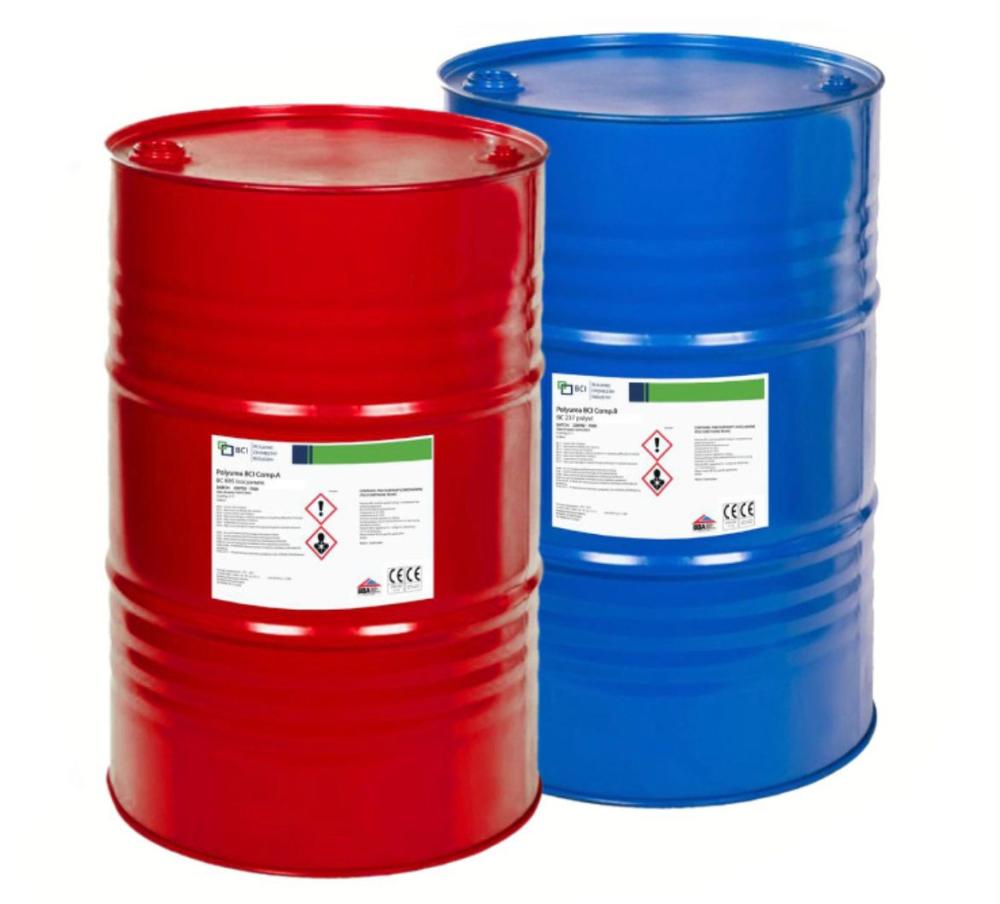
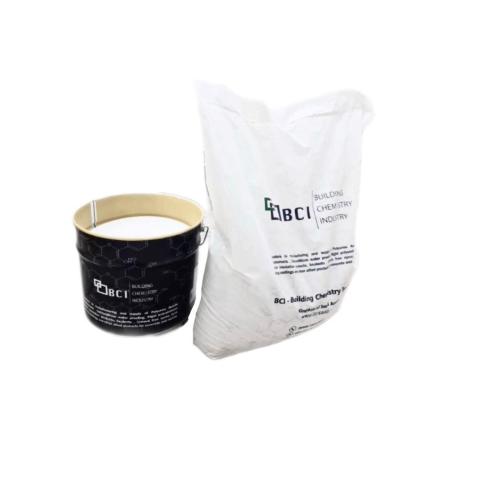
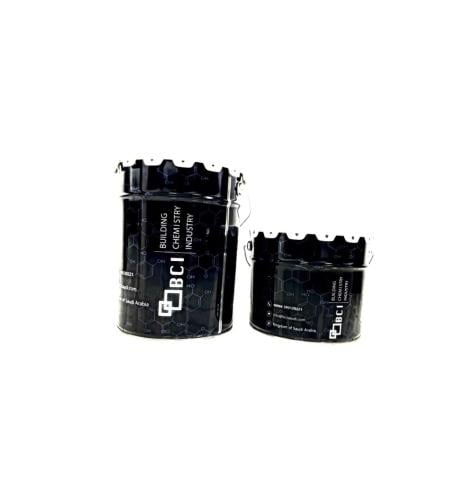
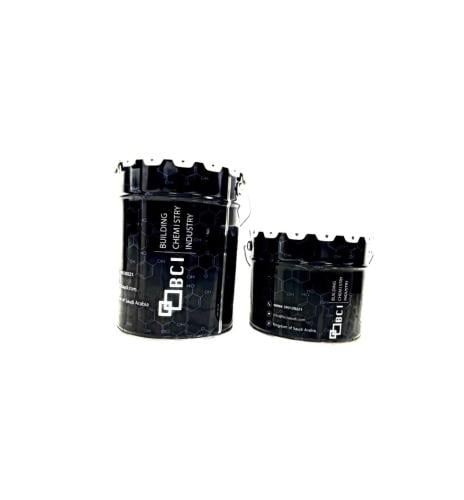
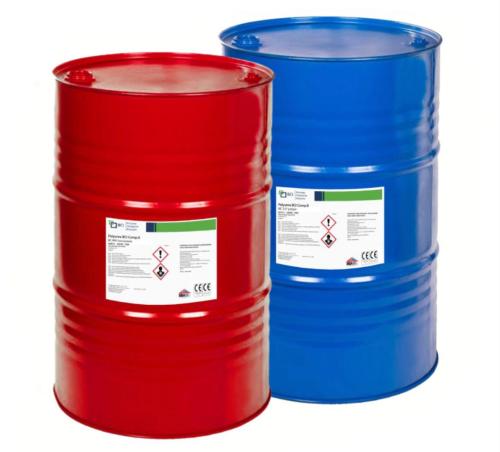
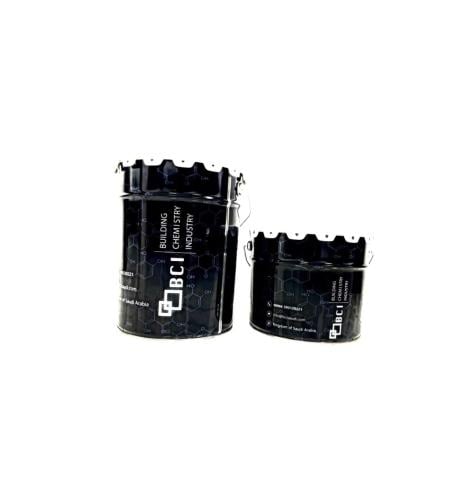
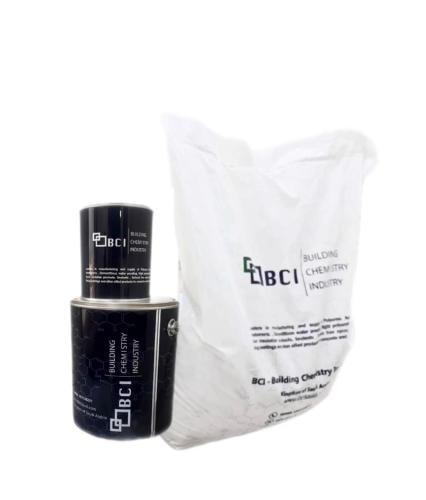
It is a two-component polyisocyanurate (PIR) system, based on blowing factor 141 B. Characteristics and Usage Design: Specially designed for the production of sandwich panels using the discontinuous method. Foam strength: The resulting foam has good adhesion to substrates and higher strength compared to conventional systems. Fire Resistance Rating: The resulting foam falls into Class B2 according to the DIN 4102 fire resistance standard.
- UsesManufacture of PU/PIR sandwich panels for building and industrial insulation applications.
- Production of insulated wall, roof, and cold storage panels by discontinuous method.
- Suitable for refrigeration units, prefabricated cabins, portable buildings, and HVAC duct panels.
- Can be used in applications requiring high thermal resistance and dimensional stability at elevated temperatures.
Design Features
- Two-component system (polyol and isocyanate) based on 141B blowing agent.
- Forms polyisocyanurate (PIR) foam with superior fire performance (B2 as per DIN 4102) compared to conventional polyurethane foams.
- Excellent adhesion to a variety of facings such as steel, aluminum, and kraft paper laminates.
- Produces foam with high compressive strength and improved thermal insulation efficiency.
- Good dimensional stability under thermal cycling and humidity exposure.
- Optimized cream and gel times suitable for discontinuous panel production lines.
- Low friability and closed-cell structure ensuring minimal water absorption.